Naše tekvice / Our winter squash
V priebehu posledných rokov sa tekvice stali jednou z plodín, ktoré sa snažíme zakomponovať do nášho jedálnička tak často a dlho, ako sa dá. Je ich možné pripraviť na niekoľko spôsobov, sú uskladniteľné a ak zvážime letné i zimné tekvice, sú vlastne dostupné väčšinu roka.
Radi by sme tu predstavili naše postupy pestovania, spracovania a aj snahy to neustále zefektívňovať.
Squash have become one of the crops we’ve been trying to incorporate into our diet as often and for as long as possible in recent years. They can be prepared in several ways, are storable, and considering both summer and winter varieties, they are actually available for most of the year.
We would like to introduce our methods of cultivation, processing, and our efforts to continually improve them.

Tekvicovisko
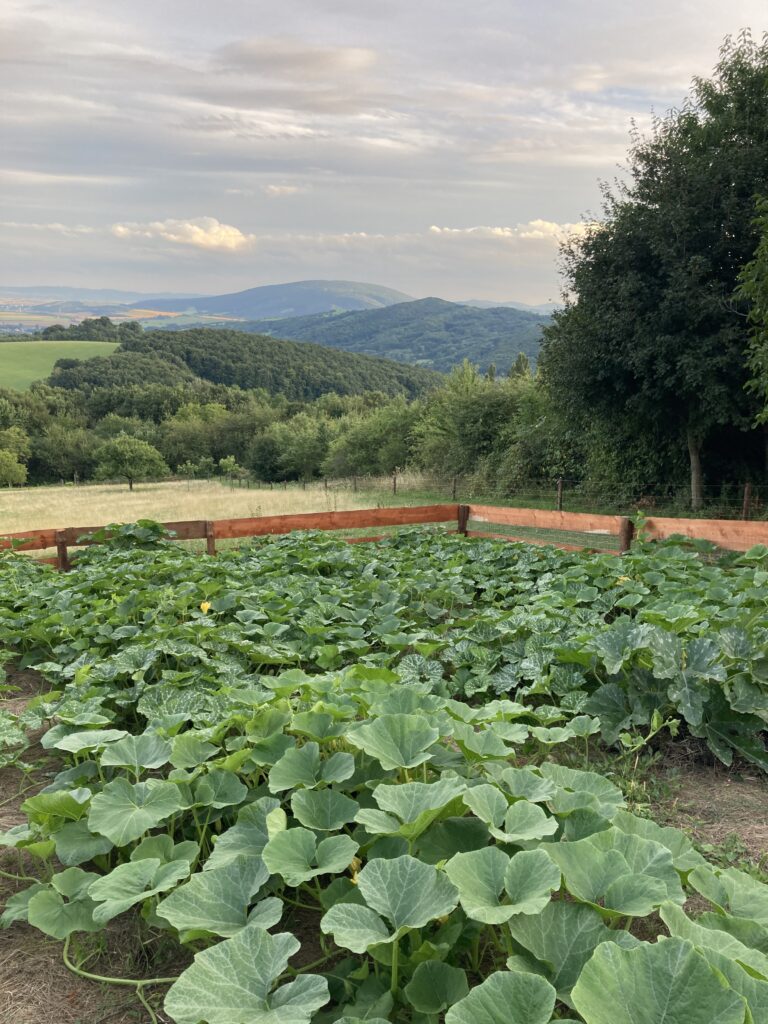
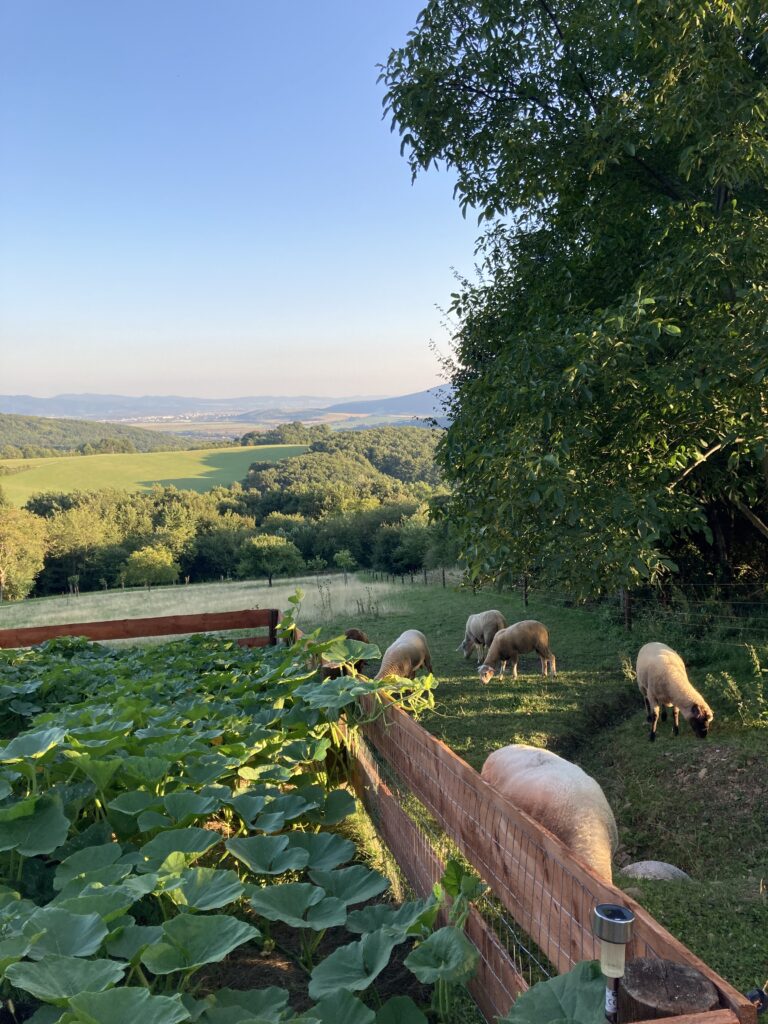
Trvalo niekoľko rokov, kým sme sa dopracovali k tekvicovisku. Najprv sme len skúšobne pestovali tekvice tak nadivoko na lúke, potom na kôpke hnoja, neskôr v záhrade. Odsledovali sme, koľko tekvíc nám treba, ktoré druhy nám najviac chutia a na základe toho sme si vyrátali potrebnú rozlohu tekvicoviska – 120 metrov štvorcových (10 x 12m).
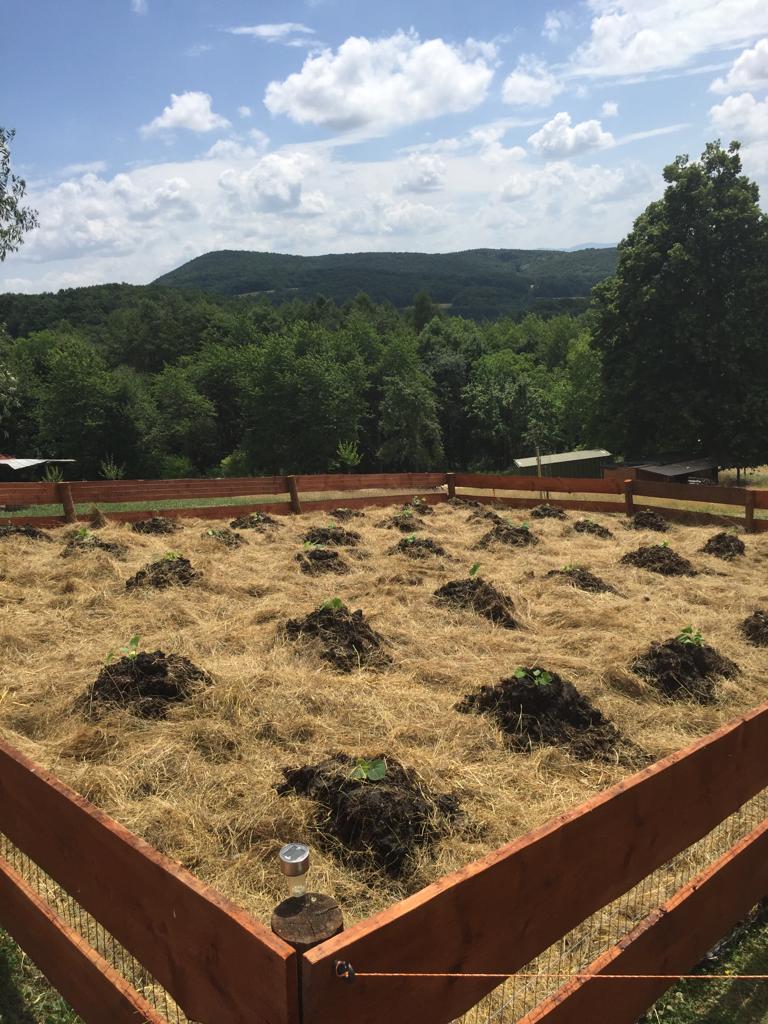
Tekvicovisko sme zakladali na južnom brehu a museli sme ho oplotiť kvôli domácej i divokej zveri. Rozhodli sme sa pestovať tekvice v hniezdach po dvoch koreňoch, pričom každé hniezdo je z dvoch fúrikov odležaného kravského hnoja. Spolu je to 30 hniezd. Predchádzajúce roky sme tekvice pestovali na konskom hnoji a tekvice rástli rovnako. Pomedzi hniezda sme na zeminu natiahli záhradnú tkaninu a kartóny. Ako mulč sme navozili seno, lebo sme sa v ten rok nedostali k drevennému mulču.
Pumpkin field – squash field
It took us several years to establish our pumpkin-squash patch. Initially, we just experimented with growing squash in the wild meadow, then on a heap of manure, and later in the garden. We monitored how many squash we needed, which varieties we liked the most, and based on that, we calculated the necessary area for our pumpkin-squash patch, which is 120 square meters (10 x 12 meters).
We established the pumpkin-squash patch on the southern slope and had to fence it off due to both domestic and wild animals. We decided to grow squash in pairs of roots, with each pair being placed in two clumps of well-aged cow manure. In total, there are 30 clumps or nests for growing squash. In previous years, we grew squash on horse manure, and the squash grew equally well. Between the clumps, we laid down garden fabric and cardboard on the ground. We used hay as mulch since we didn’t have access to wood mulch that year.
Sadenie tekvíc
Tento rok sme predpestované sadenice sadili z rôznych nechcených príčin podstatne neskôr, až začiatkom júla. Tak či tak to tekvice dobehli a krásne sa rozbehli. Sadili sme po dva korene do hniezda, letné i zimné druhy, pričom v niekoľkých hniezdach to prežila len jedna rastlinka a v jednom ani jedna. Sadenice boli v rozložiteľných kvetináčoch na to určených.
Planting squash
This year, we planted pre-grown seedlings significantly later, in early July, due to various unforeseen circumstances. Nevertheless, the squash caught up and grew beautifully. We planted two roots in each clump, including both summer and winter varieties. In a few clumps, only one plant survived, and in one, none did. The seedlings were in biodegradable pots designed for this purpose.
Pestovanie tekvíc
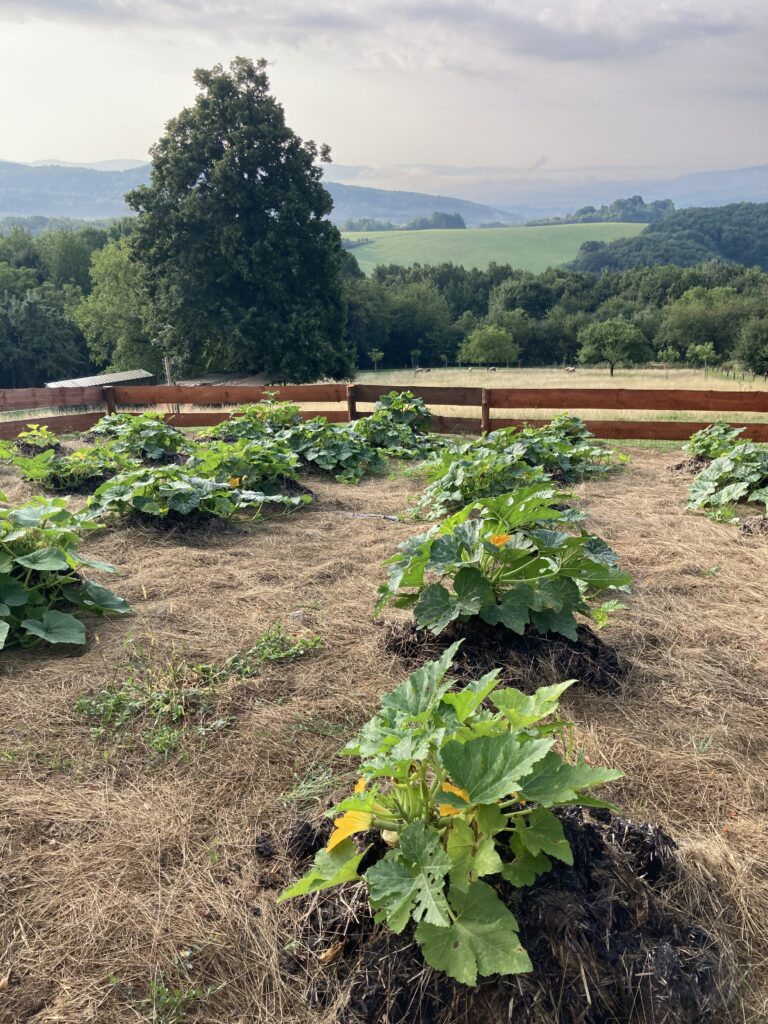
Keďže bolo dostatočne daždivé leto, polievali sme len ak bolo naozaj treba. Dva krát sme ich postriekali organickým prostriedkom proti plesniam (názov si nepamätám), keď sa začali zjavovať na listoch. Okrem toho sme tekviciam venovali veľmi málo pozornosti – nie, že by sme nechceli, ale časovo sme to nezvládali.
Growing squash
Since it was a sufficiently rainy summer, we only watered when it was absolutely necessary. We sprayed them twice with an organic fungicide (I can’t remember the name) when mold began to appear on the leaves. In addition, we paid very little attention to the squash, not because we didn’t want to, but because we didn’t have the time.


Zber
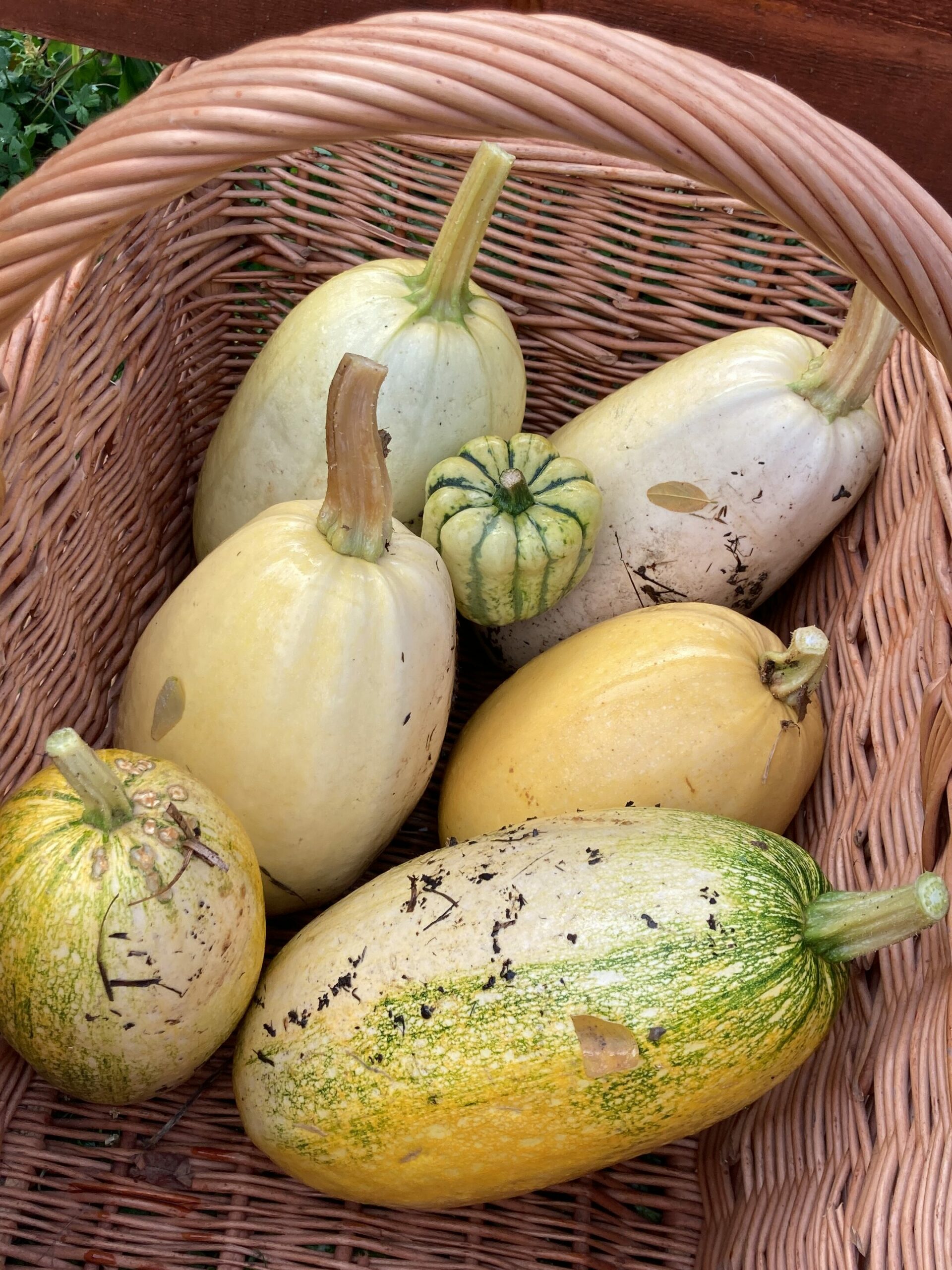
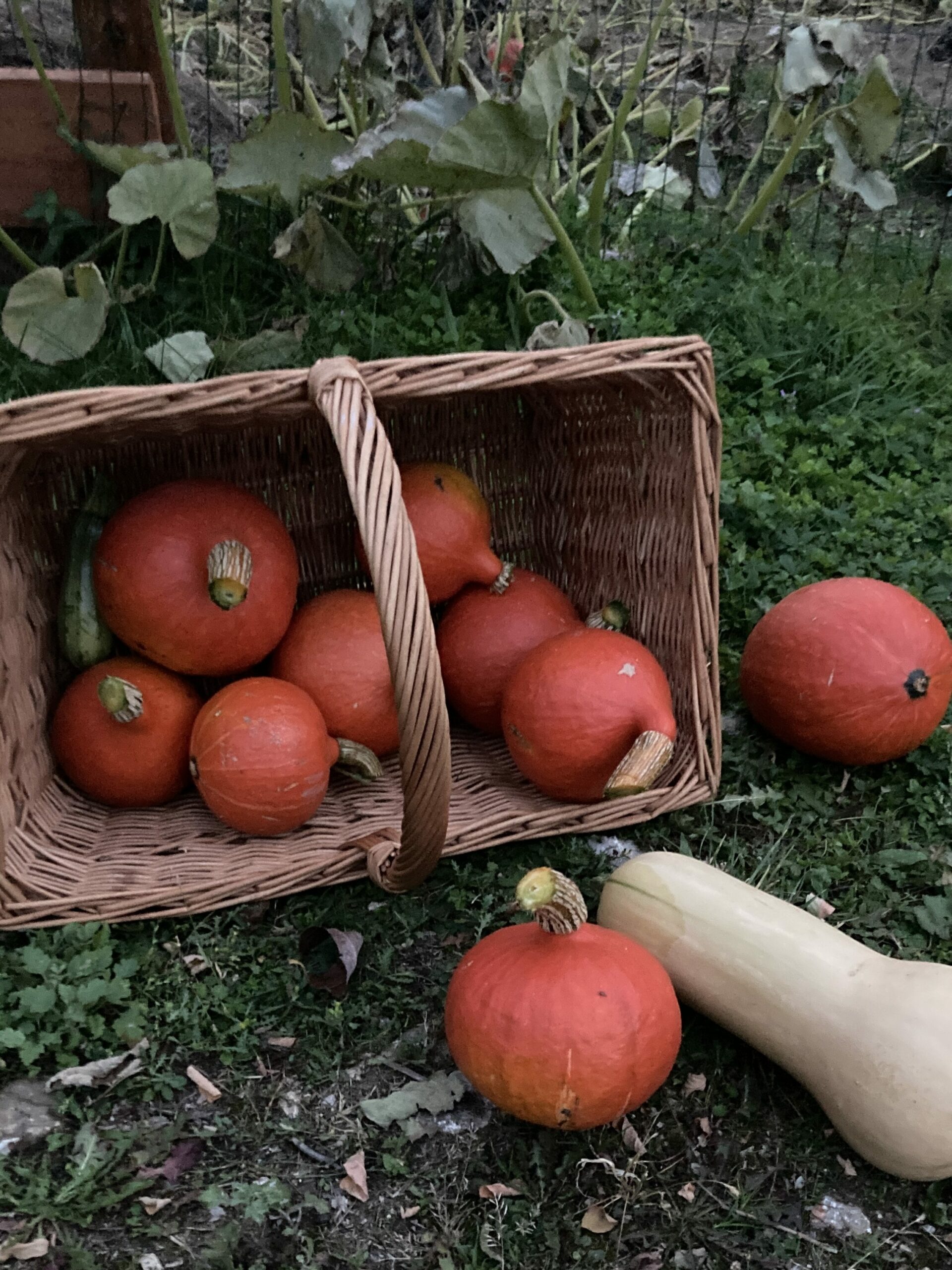
Tekvice zbierame priebežne podľa potreby, no ak ich chceme na uskladnenie, snažíme sa ich zberať čo najneskôr. Slabší mrázik tekviciam neuškodí, ale je lepšie ich pozbierať a uskladniť skôr, než udrie tuhá zima. V plnej zrelosti majú stonku zdrevenenú, suchú, čo znamená, že sú pripravené na uskladnenie. Tento rok sme ich zberali neskoro, až začiatkom novembra.
Harvest
We gather squash as needed, but if we want to store them, we try to collect them as late as possible. Mild frost won’t harm squash, but it’s better to harvest and store them before the harsh winter sets in. At full maturity they have a hardened, dry stem, indicating that they are ready for storage. This year, we harvested them late, not until the beginning of November.

Spracovanie
Máme niekoľko obľúbených spôsobov, ako spracúvame tekvice, a to na priamy konzum alebo na uskladnenie ako polotovary. Najobľúbenejšie spôsoby použitia v našej domácnosti:
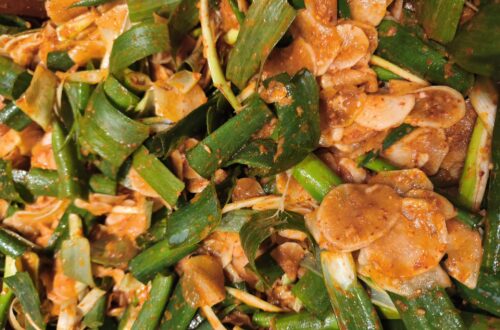
- pečená tekvica
- polievka
- placky
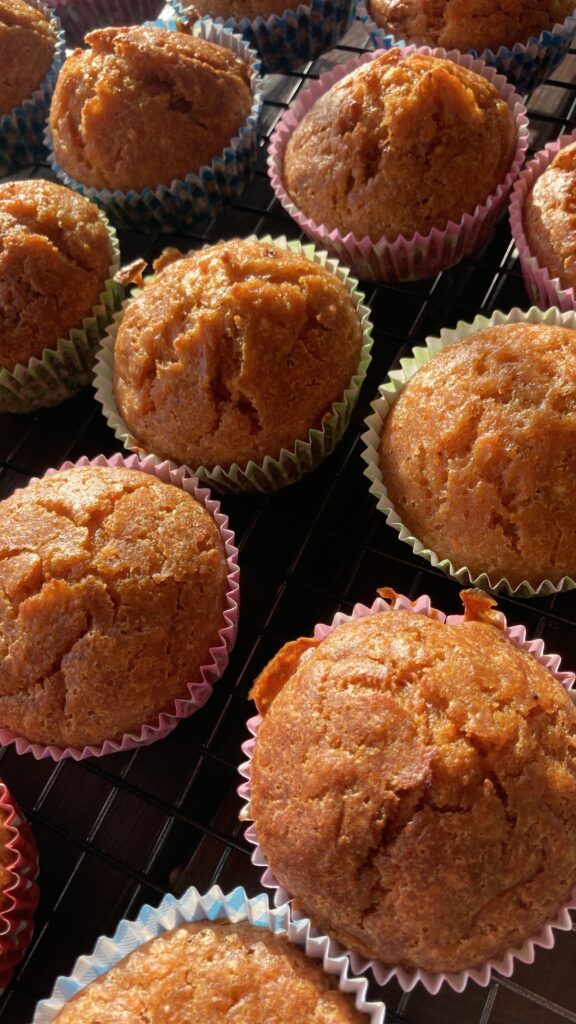
- pyré (na muffiny a ako príloha)
- mušt (v kombinácii s ostatným ovocím)
- zavárané tekvice na ovocný spôsob
- plnka do koláčov
- presnidávka
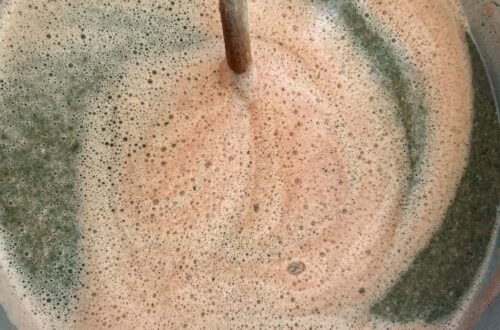
- tekvicovica
Processing
Among the favourite methods we use for processing squash are for immediate consumption or for storage as semi-finished products. The most popular ways of using them in our household include:
- roasted squash
- soup
- pancakes
- puree (for muffins and as a side dish)
- cider (combined with other fruits)
- preserved squash in a fruity manner
- pie filling
- squash and apple sauce
- liqueur – destilate

Prečo tekvice?
Tekvice sú veľmi nenáročné na pestovanie a majú veľký výnos, preto sa oplatia v porovnaní pomeru práce a výnosu. Okrem toho sa dajú využiť v nespočetných kuchárskych variáciách na sladko aj slano a skvele dopĺňajú paletu zeleninových chutí.
Why squash?
Squash is very undemanding to grow and has a high yield, therefore they are worthwhile in terms of the ratio of effort to yield. In addition, they can be used in countless culinary variations, both sweet and savory, and wonderfully complement the palette of vegetable flavors.